Getting around Dubai during Ramadan: working hours, iftar traffic, Metro times and etiquette
Getting around Dubai in Ramadan: 2026 working hours, the pre-iftar traffic peak, Metro and parking times, Salik changes and etiquette in the car.

Chauffeur operations specialist, Dubai · Updated · 7 min read
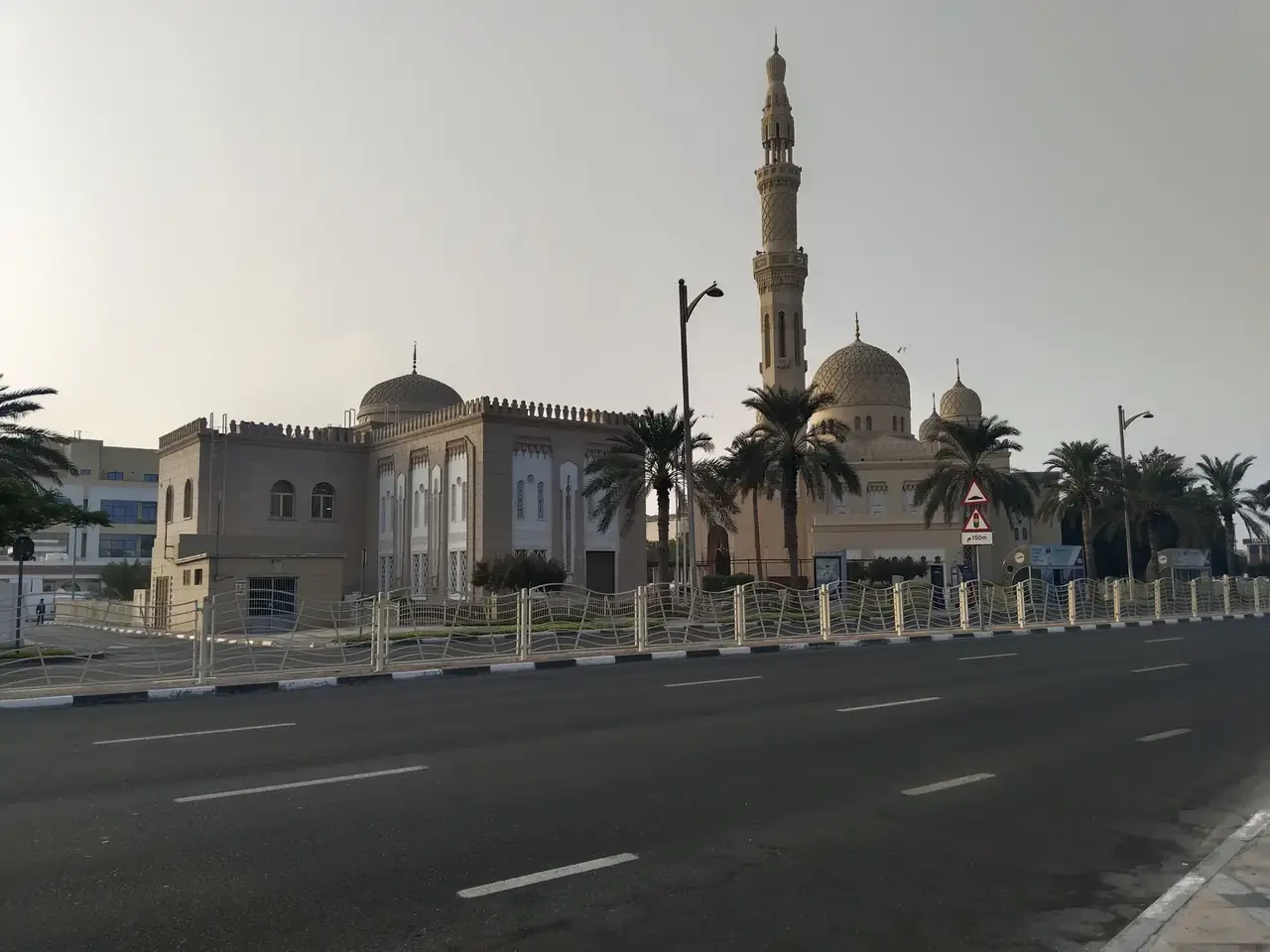
During Ramadan, Dubai’s day starts later and runs later. In Ramadan 2026, which began on 18 February, private-sector working hours were cut by two hours a day, federal government offices worked 9 a.m. to 2:30 p.m. Monday to Thursday, and Salik moved its peak toll to 9 a.m.–5 p.m. The heaviest traffic comes in the hour or so before sunset; during iftar the roads go quiet. Ramadan 2027 is expected to begin around 8 February. Our chauffeur service in Dubai runs normally throughout.
Here is how the month changes working hours, traffic, public transport and tolls, and what visitors should know about etiquette in the car.
Ramadan working hours: what changed in 2026
Working hours are set each year. These are the rules that applied in Ramadan 2026:
| Sector | Ramadan 2026 hours | Source |
|---|---|---|
| Private sector | Normal daily hours reduced by two hours | Ministry of Human Resources and Emiratisation announcement, 12 February 2026 |
| Federal government | 9 a.m.–2:30 p.m. Monday to Thursday; 9 a.m.–12 p.m. Friday | Federal government HR circular, as reported in February 2026 |
| Weekend | Saturday and Sunday, unchanged | UAE government |
The UAE government’s Ramadan page confirms the two-hour reduction applies to all private-sector employees, fasting or not, with no cut in pay. The 2027 hours will be announced shortly before Ramadan starts.
What that means on the road: offices open later, empty earlier, and most people head home in the early afternoon instead of the evening.
How does traffic change during Ramadan?
The daily rhythm shifts. This is the pattern our dispatchers plan around:
| Time of day | What the roads do |
|---|---|
| Early morning, 7–9 a.m. | Lighter than a normal weekday; schools and offices start later |
| 9 a.m.–2 p.m. | Steady office traffic |
| 2–4 p.m. | The early finish: government and private-sector staff leave together |
| The hour or so before sunset | The heaviest traffic of the day, as everyone heads home or to iftar |
| Iftar | Roads almost empty while people break their fast |
| After iftar until late | Busy again around malls, mosques, hotels and restaurants, often past midnight |
The pre-iftar rush catches visitors out. A trip that takes 20 minutes at 1 p.m. can take much longer in the last hour before sunset, and many drivers on the road are fasting. If you have an iftar reservation, leave early and arrive with time to spare. Our Dubai rush hour guide covers the normal-month pattern for comparison.
Salik tolls in Ramadan
Salik changes its time bands during Ramadan to match the new rhythm:
| Ramadan time | Toll | With 5% VAT |
|---|---|---|
| 9 a.m.–5 p.m. | AED 6 | AED 6.30 |
| 7–9 a.m. and 5 p.m.–2 a.m. | AED 4 | AED 4.20 |
| 2–7 a.m. | Free | Free |
VAT has applied to Salik since 1 June 2026, so Ramadan 2027 will be the first with VAT on tolls. Full gate locations and normal-month rates are in our Salik toll gates guide. In our cars, tolls are included in the price.
Metro, tram and parking times in Ramadan
The RTA publishes its Ramadan timetable each year. For Ramadan 2026, announced on 16 February:
| Service | Ramadan 2026 hours |
|---|---|
| Dubai Metro, Red and Green Lines | Monday–Thursday 5 a.m.–midnight; Friday 5 a.m.–1 a.m.; Saturday 5 a.m.–midnight; Sunday 8 a.m.–midnight |
| Dubai Tram | Monday–Saturday 6 a.m.–1 a.m.; Sunday 9 a.m.–1 a.m. |
| Buses | Timetables in the S’hail app |
| Paid street parking | Monday–Saturday, 8 a.m.–6 p.m. and 8 p.m.–midnight |
| Multi-storey car parks | Open 24 hours |
Note the parking gap between 6 and 8 p.m.: that’s iftar, and street parking is free then. Check the RTA’s announcement for 2027 before you travel; timings can change from year to year.
Metro, taxi or chauffeur in Ramadan?
By day, the Metro is the easy choice for anywhere along Sheikh Zayed Road. Evenings are harder: iftar reservations, hotel Ramadan tents and late shopping all overlap, and everyone wants a car at the same moment. A car booked in advance takes that uncertainty away. The pickup time is agreed, the chauffeur waits while you eat, and the price doesn’t change. For a full evening, hourly hire, with its three-hour minimum, is usually simpler than two separate transfers.
Etiquette in the car and around the city
Non-Muslims aren’t expected to fast, and nobody will expect it of you. A few courtesies make a difference:
- Eating and drinking in public. During fasting hours, keep it out of sight of those who are fasting. Hotels and malls provide places to eat, as the UAE government’s guidance notes.
- In our cars. Drinking water in the back seat is fine. If you want to eat a meal, it’s more considerate to do it before or after the ride, because your chauffeur is likely to be fasting.
- Around sunset. If your booking runs through iftar, your chauffeur may break their fast briefly with water or dates when it’s safe to do so. It won’t delay your trip.
- Dress. Modest clothing in malls and public places matters more during Ramadan. Cover shoulders and knees.
- Music and noise. Keep music low in public places and in the car with the windows down.
- Greetings. “Ramadan Kareem” is a warm, appropriate greeting to anyone.
Planning trips during Ramadan
The practical rules we give guests:
- Book iftar dinners with a buffer. Leave at least 30 minutes earlier than you would on a normal evening.
- Avoid airport runs in the hour before sunset when you can. If your flight forces it, allow extra time. Our airport transfer team will suggest a pickup time.
- Schedule meetings between 10 a.m. and 1 p.m. Offices are open, people are fresh, and the roads are calm.
- Expect late nights. The city stays busy after iftar, around malls, hotels and suhoor spots. Hourly hire keeps the car waiting outside.
- Allow for traffic near large mosques during evening prayers.
- Book Eid early. Eid Al Fitr follows Ramadan, with a public holiday of 1–3 Shawwal. For 2027, astronomical estimates put it around 9 or 10 March, subject to the moon sighting.
In 2027, Ramadan falls in the middle of Dubai’s winter season, so the weather is pleasant and the city’s events continue around it. Our guide to Dubai by season shows how Ramadan fits into the wider calendar.
Frequently asked questions
Is it a good idea to travel to Dubai during Ramadan?
Yes, for most visitors. Hotels, malls and attractions stay open, the evenings are lively, and iftar is worth experiencing. Plan around the pre-sunset traffic, keep eating and drinking out of sight of those fasting during the day, and dress modestly in public.
What are the working hours during Ramadan in the UAE?
In Ramadan 2026, private-sector working hours were reduced by two hours a day, and federal government offices worked 9 a.m. to 2:30 p.m. Monday to Thursday and 9 a.m. to 12 p.m. on Friday. Hours for 2027 will be announced shortly before Ramadan.
Does the Dubai Metro run during Ramadan?
Yes. In Ramadan 2026, the Red and Green Lines ran 5 a.m. to midnight Monday to Thursday and Saturday, 5 a.m. to 1 a.m. on Friday, and 8 a.m. to midnight on Sunday, according to the RTA. Check the RTA’s Ramadan 2027 announcement for next year’s times.
Can I eat or drink in a car during Ramadan in Dubai?
In a private chauffeur car, drinking water is fine. It’s more considerate to eat before or after the ride, as the chauffeur is likely to be fasting. In public places during daylight hours, keep eating and drinking out of sight of people who are fasting.
When does Ramadan 2027 start?
Astronomical calculations put the start of Ramadan 2027 around Monday 8 February, subject to the official moon sighting in the UAE. It lasts 29 or 30 days, with Eid Al Fitr expected around 9 or 10 March.
Written by
Arshad HussainArshad Hussain has run chauffeur and limousine operations in Dubai since 2014: dispatch, fleet allocation, airport pickups and event transport.
LinkedIn